How Long Does It Take a Child to Learn to Swim?
One of the most common questions parents ask when enrolling their child in swim lessons is, “How long will it take for my child to learn how to swim?”
The answer? Every child learns at their own pace.
Some children become comfortable in the water within their first few lessons, while others need more time to develop confidence. Learning to swim is a process, and understanding what that process looks like can help parents set realistic expectations.
What Does It Mean to Know How to Swim?
Learning to swim involves more than simply moving from one side of the pool to the other.
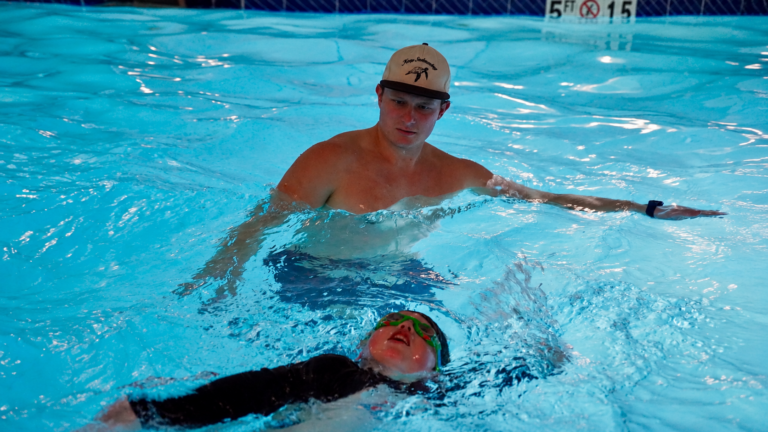
For beginner swimmers, progress often starts with fundamental water skills, including:
- Feeling comfortable entering and moving through the water
- Putting their face underwater and controlling their breathing
- Floating independently on their front and back
- Kicking and moving through the water with control
- Learning how to return to safety after entering the water
As swimmers gain confidence, they begin combining these skills into more independent swimming movements.
What Affects How Quickly a Child Learns?
Several factors can influence a child’s swimming progress.
Age and development: Younger children may need more time to develop coordination, body awareness, and the ability to follow instructions.
Comfort in the water: Children who are nervous or unfamiliar with swimming pools may spend their first lessons developing trust and confidence.
Previous swimming experience: Children who have spent time practicing water skills may already have a foundation to build upon.
Consistency: Attending lessons regularly gives swimmers opportunities to practice, reinforce, and build on previously learned skills.
Individual learning styles: Some children learn through repetition, while others respond especially well to games, demonstrations, and encouragement.
How Many Swim Lessons Will My Child Need?
There is no universal number of lessons that guarantees a child will become an independent swimmer.
Some children may begin demonstrating basic swimming skills within several lessons, while developing strong, independent swimming abilities can take months or longer.
Instead of focusing on a specific number of classes, parents should pay attention to their child’s individual milestones.
A child who was initially afraid to put their face underwater but now does so comfortably is making meaningful progress, even if they aren’t swimming across the pool yet.
Why Consistency Makes a Difference
Swimming is a physical skill that develops through repetition.
Regular lessons give children opportunities to practice familiar movements while gradually introducing new challenges.
Taking extended breaks can make it harder for some swimmers to retain their confidence and skills, particularly during the beginner stages.
At Swim & Play, we encourage families to view swimming as an ongoing learning experience rather than something children must master within a set number of weeks.
How Swim & Play Helps Children Progress
At Swim & Play, we understand that no two swimmers are exactly alike.
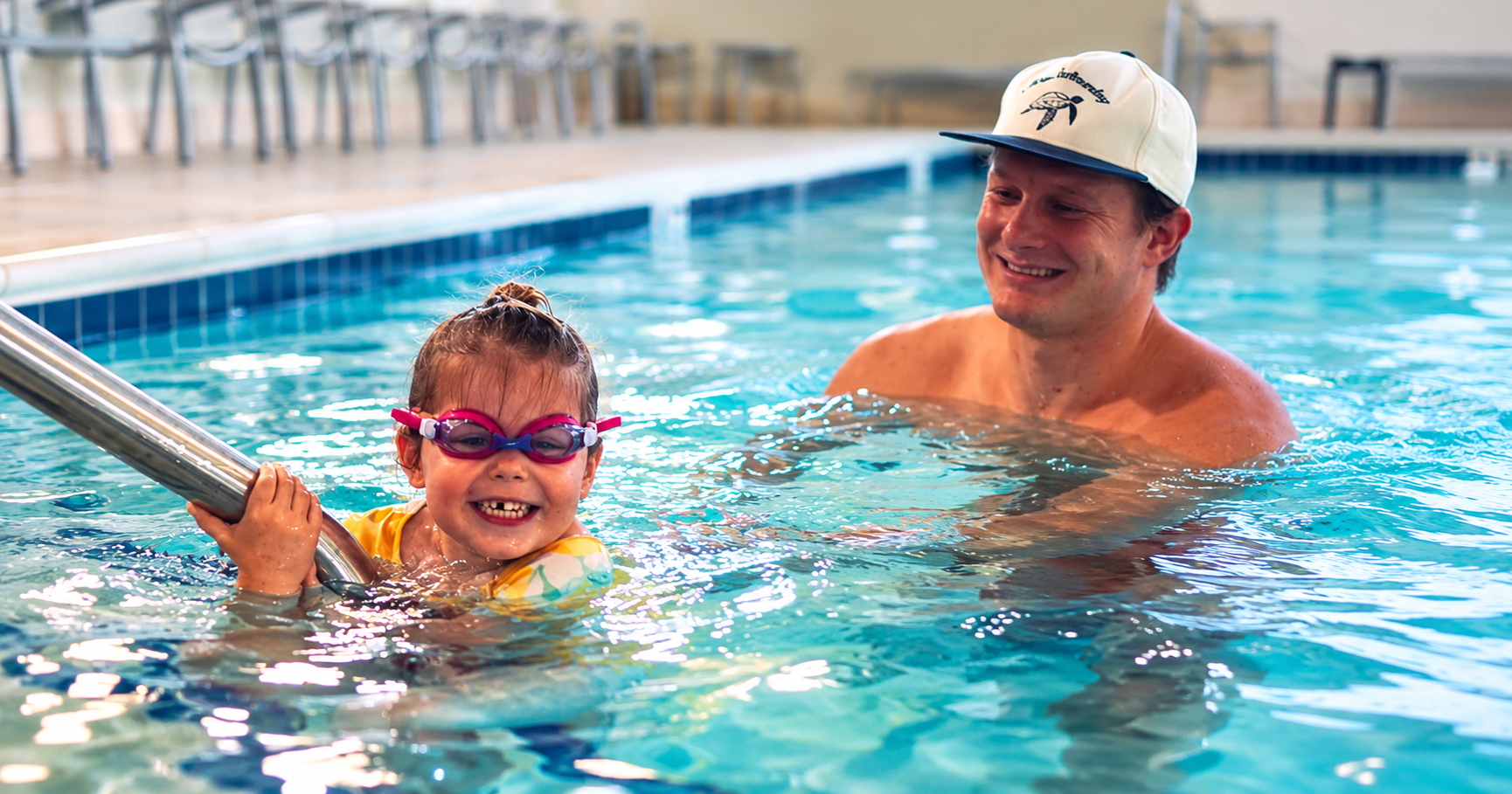
Our instructors work to recognize each child’s abilities, confidence level, and individual learning needs.
Whether a child is entering the pool for the first time or working toward more advanced swimming skills, our goal is to create an encouraging environment where swimmers feel comfortable learning and challenging themselves.
We celebrate progress in all its forms, from a swimmer’s first independent float to developing stronger swimming technique.
Every Step Forward Counts
So, how long does it really take a child to learn to swim?
The answer depends on the child, their experience, and the skills they’re working toward.
Rather than comparing swimmers or focusing on a deadline, the most important thing parents can do is encourage consistent practice and celebrate progress along the way.
Looking for swim lessons in Nashville? Swim & Play offers lessons for a variety of ages and ability levels. Explore our programs and find the right class for your swimmer.